
Reviewed · SCOTLAND
Discovery Wildlife Safari
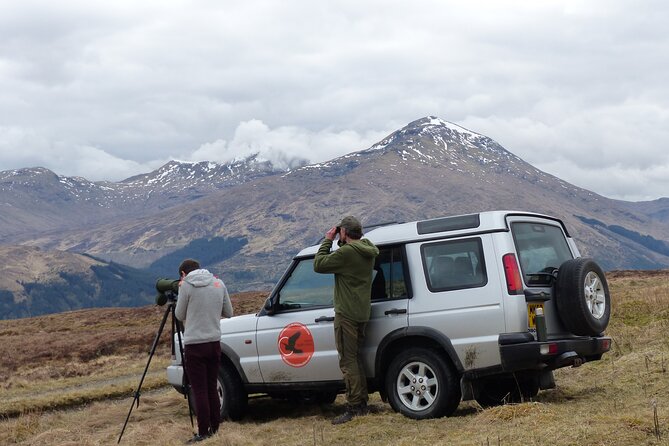
This wildlife safari in central Scotland is interesting because it mixes real time outside with actual access to remote tracks, not just a pull-over-and-hope situation. I like that the trip runs about 3 hours, so you can fit it into a busy Highlands day without feeling rushed. I also love the practical wildlife setup, with a scope, binoculars, and ID sheets ready to use. One consideration: wildlife sightings are never guaranteed, and winter conditions can change what you can spot and how far you can see.
You get a small-group feel too, with a maximum of 6 travelers, led by Gareth from Kestrel Wildlife Safaris. If you’re the type who likes learning as you watch, the guide’s focus on how people and nature shaped the area since the last glacial advance around 11,000 years ago is a nice extra. The only real drawback to plan around is the off-road route, including points where the ground can be uneven and bumpy.
Key highlights and why they matter
- Off-road routes into more remote northern Loch Lomond and the Trossachs National Park for better wildlife chances
- Gareth (Kestrel Wildlife Safaris) brings local land access and sharp focus on what to look for
- Viewpoints with big-name mountains like Ben Vorlich, Ben More, and Stob Binnien
- Hot drinks and shortbread at a viewpoint, a welcome mid-trip break
- Spotting kit included: binoculars, a viewing scope, wildlife ID sheets, and a bird identification book
- Small group, up to 6 people, so questions get answered and the pace stays easy
What makes the Discovery Wildlife Safari feel different in the Highlands
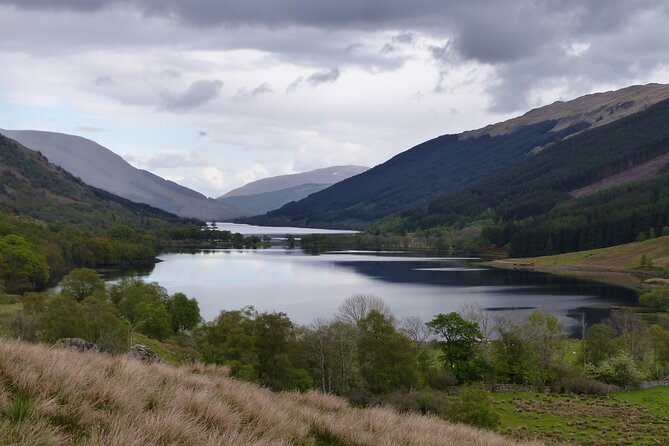
This is not the kind of trip where you stare out a bus window and call it a day. You’re going into wilder, more remote parts of northern Loch Lomond and the Trossachs, with a guide who is actively trying to put you in the right places for wildlife viewing. That changes the whole vibe. You’re not just sightseeing, you’re on a short “hunt” that’s grounded in where animals actually tend to use the land.
I also like how the experience is built around tools, not guesswork. You get a viewing scope and binoculars, plus wildlife ID sheets and a bird book. If you’ve ever had the classic Scotland moment where you see something moving and then spend the rest of the trip wondering what it was, this setup helps you solve that right away.
The third piece is the scenery and viewpoint climbing. There are off-road sections that climb toward major vantage points, where you can look toward mountains like Ben Vorlich, Ben More, and Stob Binnien. Even when wildlife is quiet, the views are part of the reason to come.
Gareth and the small-group rhythm: what your 3 hours actually look like
This safari runs about 3 hours and uses a Land Rover driven by your guide, Gareth. That matters because it keeps things flexible. When the guide spots a promising area, you’re not waiting for some big vehicle logistics. You also feel the day is “made” by one person’s local decisions, rather than by a fixed script.
The group size is capped at 6 travelers. In a small group, the guide can slow down for questions and adjust the stops so everyone has a turn at the viewing scope. It also helps kids and first-time nature watchers, because you can keep attention without dragging the group through long stretches.
Pacing is another subtle strength. There’s a midpoint break with hot drinks and shortbread at a viewpoint, and that gives your eyes time to refocus after scanning. In one winter trip example, people described it as a highlight, basically a cozy pause in the middle of a cold countryside morning.
Other Central Scotland trips that get booked alongside this one:
- Glencoe, Scenic Walk & Scottish Highlands Tour starting Balloch
★ 5.0 · 117 reviews - Official Guided Distillery Tour and Whisky Tasting near Edinburgh
★ 5.0 · 72 reviews - Standing Stones, Inveraray and Kilchurn Castle & Highlands Tour starting Balloch
★ 5.0 · 35 reviews
The value of $82.27 for a wildlife-focused morning
At $82.27 per person for roughly 3 hours, the cost makes sense if you compare it to the real essentials you’d otherwise need to scramble for. You’re paying for guided driving into remote areas plus wildlife spotting equipment and interpretive help.
Here’s what’s included that you can’t easily replicate on your own as easily:
- Hot drinks and treats, with coffee and/or tea, plus hot chocolate and orange squash on request
- Biscuits and shortbread, served at one of the viewpoints
- Binoculars and a viewing scope for spotting
- Wildlife identification materials, including ID sheets and a bird identification book
- Tap water available during the tour
What’s not included is also clear, which helps you plan without surprises. Alcohol is not included, and there’s no mention of sodas or bottled water. WiFi is not on board, and there is no restroom on the safari. If you need those, you’ll want to handle them before you meet at the Water Sports Centre in Lochearnhead.
The off-road route: remote tracks, viewpoints, and one practical reality check
You’re taken into areas that you generally would not reach easily on your own. One recurring theme in the experience is the sense of getting onto private-estate tracks and into places the public can’t access as easily. That off-road access is a big part of why this sort of safari costs more than a standard scenic loop.
There are also climbs to viewpoints. You’ll be offered vistas of mountains including Ben Vorlich, Ben More, and Stob Binnien. The guide also uses these viewpoints for wildlife scanning, and at one viewpoint you’ll get hot drinks and shortbread.
A practical reality check: conditions can affect what you can see. In icy weather, visibility can be reduced and some animals may not be as active in the same way. That doesn’t make the trip less worthwhile, but it does mean you should go in with flexibility. The best mindset is to treat wildlife as a bonus and the whole experience as the main event.
Where wildlife watching turns into actual identification
The included kit is a big deal. Binoculars help you find movement, and the viewing scope helps you zoom in once you spot something at a distance. Then the ID sheets and bird identification book help you turn a vague sighting into a name you can remember.
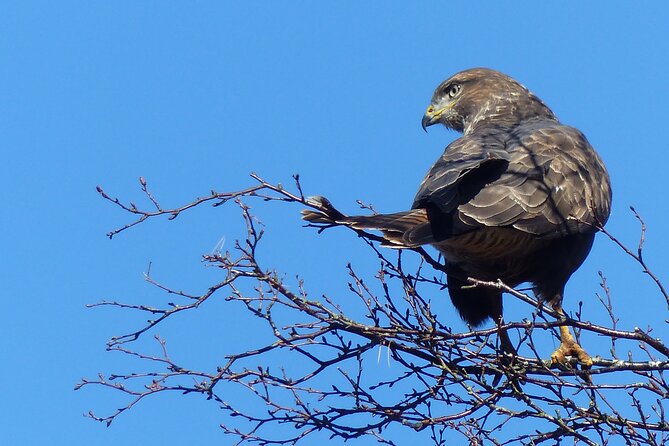
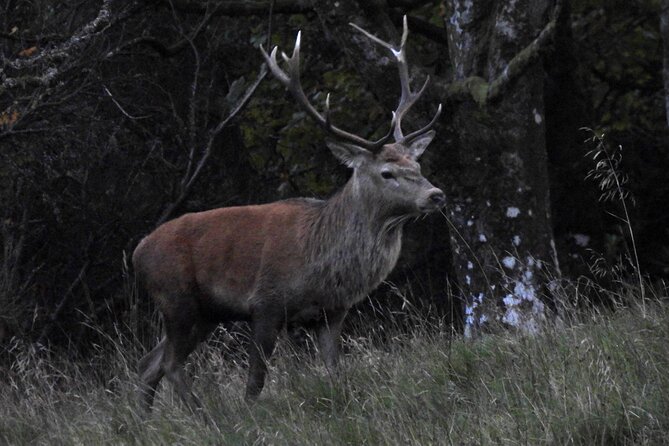
In real sightings described during the experience, golden eagles show up as a huge highlight, with some groups reporting multiple golden eagles in one trip. You might also spot rutting deer or other deer behavior, red squirrels, and bird sightings like kingfisher (one first-time sighting for Gareth) and other smaller birds.
There are also examples of less common nature moments, like a beaver lodge sighting. Even when you do not see a specific headline animal, the guide’s approach is designed to keep you scanning for what is realistically present in that area at that time.
If you’re new to birding, don’t worry. The materials are there to help you match what you see to likely species. I especially like that you can combine the moment with learning, rather than just collecting photos and hoping.
If this one is full, Central Scotland also has:
- Whisky Making Experience at Glengoyne Distillery
★ 5.0 · 25 reviews - Glengoyne Distillery Tour with Whisky and Chocolate Tasting
★ 5.0 · 24 reviews - West Coast Lochs & Castles Tour – from Glasgow
★ 5.0 · 20 reviews - Twin Kayak Hire
★ 4.5 · 19 reviews
Mid-trip hot drinks at the viewpoint, and why that pause helps your eyes
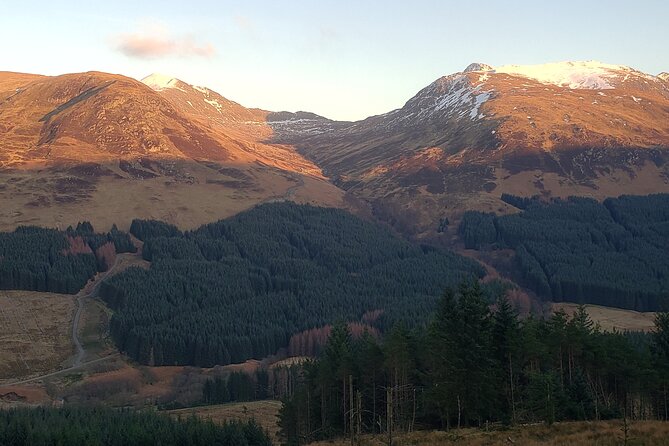
The hot drinks and shortbread stop is more than a snack break. It’s placed at a viewpoint where you can keep scanning, but with a more comfortable rhythm. You get coffee or tea, and hot chocolate and orange squash are available on request, which is a thoughtful touch for families.
That short pause also gives you time to compare what you’ve been seeing. If you watched birds earlier, you can look again with fresh eyes. If you’ve been tracking a distant shape, a warmer moment makes it easier to sit still and wait.
In winter conditions, a warm drink is not a luxury. It’s part of making the whole outing enjoyable. The trip also provides biscuits, so you’re not left feeling hungry while you focus on spotting.
The natural history layer: glacial past to conservation present
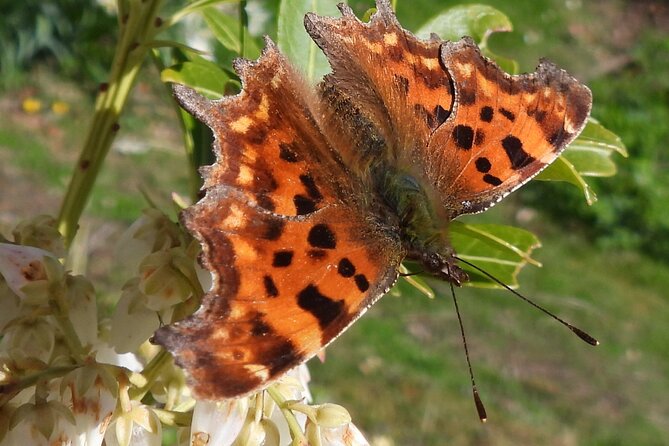
This safari doesn’t only point. You’ll also learn about the natural history of the area and how the interaction between humans and nature shaped the landscape since the last glacial advance around 11,000 years ago. That date matters because it frames the Highlands as a living system, not just a scenic backdrop.
You’ll hear about how conservation and land management affect what you can see and where. Even if you’re not a geology nerd, understanding the “why” behind the terrain makes spotting more rewarding. For example, it’s easier to anticipate which parts of the area might provide cover or feeding opportunities once you understand how the environment is structured.
And because this is a remote-access safari, land use and conservation aren’t abstract topics. They connect to the route you take, the viewpoints you reach, and the wildlife habitats you pass through.
Accessibility, comfort, and who this safari fits best
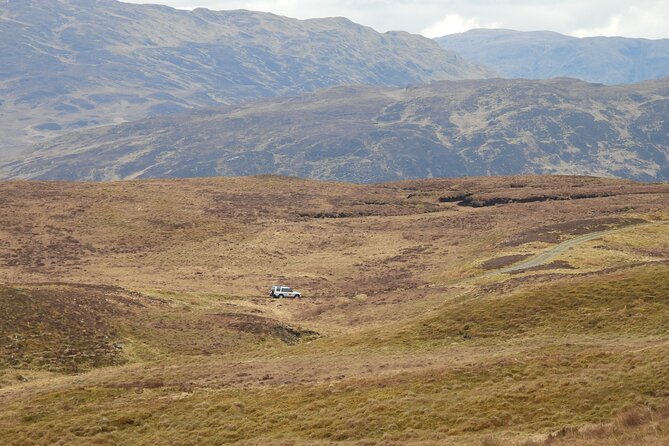
The tour notes that most travelers can participate. That’s encouraging, but it’s still an off-road vehicle and outdoors time. If you’re sensitive to uneven ground or you need highly predictable surfaces, you should think about that ahead of time.
Families can do well here, especially because of the mid-trip treats and the chance to see bigger animals and birds. Kids often like the sense of adventure, and there are mentions of a stream crossing that families enjoyed. Still, the key is that the trip stays focused. It’s not long and it’s not a long lecture.
First-time safari goers should also feel at home. The structure makes it easy: you start scanning, you stop at viewpoints, you use the spotting kit, and you get help identifying what you see. You don’t need to bring anything except your weather-ready clothing and a willingness to look closely.
What you might see, and how to manage expectations the smart way
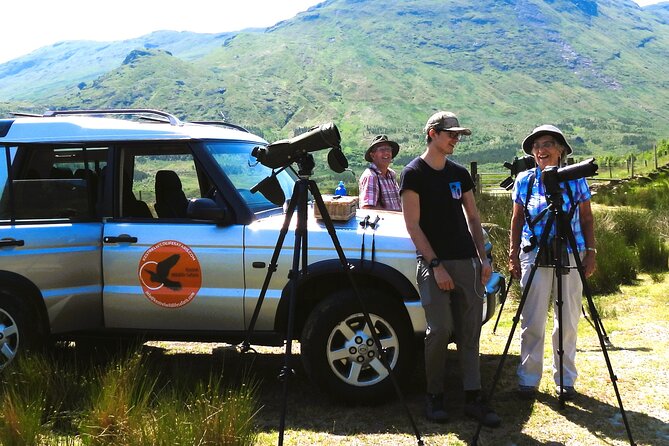
Wildlife viewing is always partly chance. That said, the experience is designed to raise your odds by combining remote access, good viewpoints, and a guide who knows where and when to look.
From reported sightings, you may see:
- Golden eagles, including multiple in a single trip
- Deer behavior, including rutting activity
- Red squirrels
- Kingfisher
- Birds like stonechats and hooded crows
- A beaver lodge
Even when the day is quieter for a specific species, you’ll still be outside in excellent country, using binoculars and scope for more than one chance to spot wildlife. The better mindset is: I want a guided nature experience where I learn, I scan, I use the kit, and I take in the views. Wildlife is the payoff.
Booking details that affect your day
You meet at the Water Sports Centre in Lochearnhead (FK19 8PS, UK). The trip ends back at the same meeting point. It’s also listed as near public transportation, so you’re not locked into a car.
Tickets are mobile, and confirmation is received at booking. The tour is offered in English, which is useful if you want straightforward explanations in the field.
Weather matters here. The experience requires good weather, and if it’s canceled due to poor weather, you’ll be offered a different date or a full refund. That’s a normal Highlands reality check, and it’s worth planning around.
Should you book Discovery Wildlife Safari?
I’d book this if you want a short, high-focus wildlife outing where the guide actively changes your odds. The best reasons to choose it are the small group size (up to 6), the guided off-road access into remote areas, and the included spotting tools plus ID help. The hot drinks and shortbread stop is also genuinely useful, not just a gimmick.
I’d think twice if you hate uncertainty or you’re expecting a guaranteed lineup of specific animals. Wildlife is never promised, and winter or icy conditions can reduce visibility and animal activity. But if you’re the kind of person who enjoys scanning for movement, learning what you’re looking at, and getting great viewpoints, this is a solid, value-for-money way to spend a 3-hour window in central Scotland.
FAQ
FAQ
How long is the Discovery Wildlife Safari?
The safari lasts about 3 hours.
Where does the safari start and end?
It starts at the Water Sports Centre in Lochearnhead (FK19 8PS, UK) and ends back at the same meeting point.
What wildlife spotting equipment is provided?
You’ll have access to binoculars, a viewing scope, wildlife identification guides, and a bird identification book.
Are hot drinks or snacks included?
Yes. Coffee and/or tea are included, and hot chocolate and orange squash are available on request, along with biscuits and shortbread.
Is alcohol or bottled water included?
Alcoholic beverages are not included, and bottled water is not mentioned as included. Tap water will be available.
What happens if weather is poor?
This experience requires good weather. If it’s canceled due to poor weather, you’ll be offered a different date or a full refund.
Just reviewed around Central Scotland
- Private Tour – Edinburgh to St Andrews, Dunnottar Castle & Dundee★ 5.0 · 9 reviews
- Silver Ring Making Experience★ 5.0 · 5 reviews
- Standing Stones, Inveraray and Kilchurn Castle & Highlands Tour starting Balloch★ 5.0 · 35 reviews
- Tea with Naughty Sheep★ 5.0 · 16 reviews
- Twin Kayak Hire★ 4.5 · 19 reviews
- West Coast Lochs & Castles Tour – from Glasgow★ 5.0 · 20 reviews
- Whisky Making Experience at Glengoyne Distillery★ 5.0 · 25 reviews
- Half Day Loch Katrine Explorer Private Ebike Tour★ 5.0 · 7 reviews